
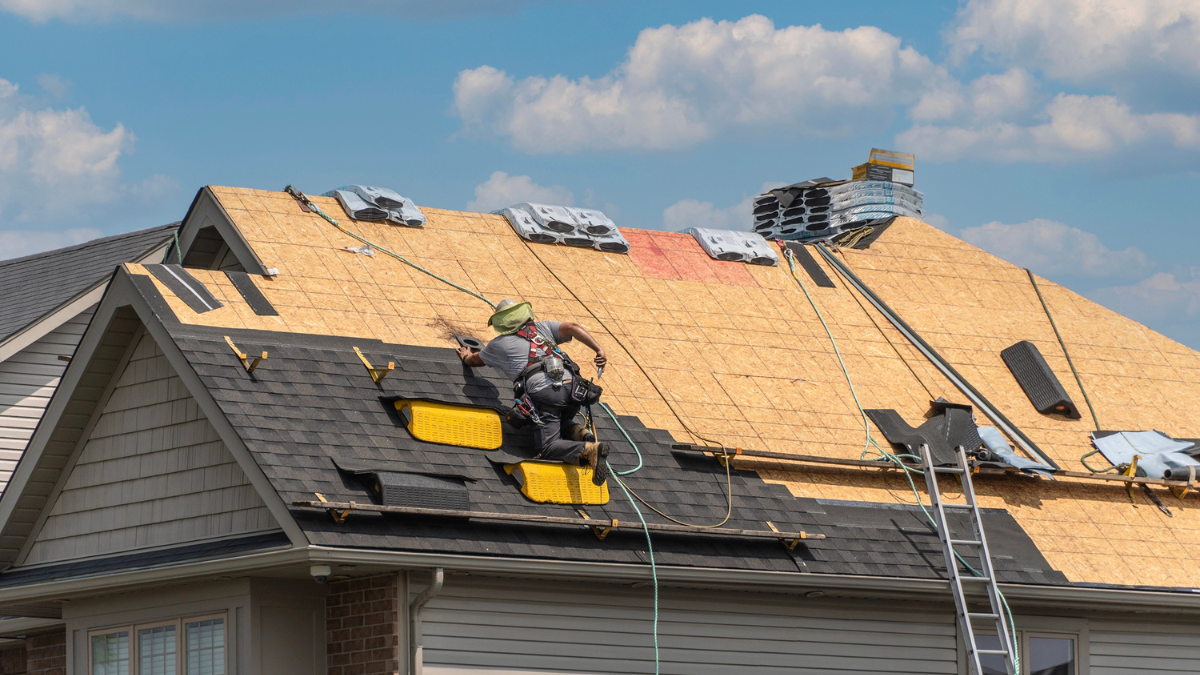
Planning a roofing project in 2026 means understanding more than the price of shingles alone. Roofing cost in North Carolina can vary significantly depending on the size and design of the roof, materials, labor, existing damage, and whether you need a repair, replacement, or completely new roof installation. Homeowners should also consider local weather conditions and the scope of work included in a contractor’s estimate. Knowing the factors that influence roofing prices can make it easier to compare estimates and plan for the right project.
Average Roofing Prices in North Carolina
The cost of roofing in North Carolina varies from one project to another. Current 2026 estimates show that a full roof replacement can range from roughly $8,000 to more than $20,000, with some larger or premium-material projects costing considerably more. One current estimate places the average North Carolina roof replacement around $14,150, while another 2026 source reports an average of approximately $15,803 based on a larger typical roof size.
For a more typical asphalt-shingle replacement, published North Carolina estimates can fall in the lower portion of that range. The actual price for your home will depend on the roof’s measured surface area rather than simply the home’s interior square footage.
Typical Roofing Cost Ranges
| Roofing Project | General 2026 Planning Range |
|---|---|
| Minor roof repair | About $300–$1,700+ |
| Asphalt shingle replacement | About $8,000–$15,000+ |
| Larger or complex roof replacement | $15,000–$25,000+ |
| Premium roofing materials | Can exceed $25,000 |
| Metal roofing | Often considerably more than asphalt shingles |
These figures are general planning estimates, not guaranteed prices. Current North Carolina cost guides report repair ranges from roughly $325 to $1,700 and replacement ranges around $8,025 to $23,600, depending on the project.
What Determines Roofing Cost in North Carolina?
Several factors can change the final price of a roofing project. Two homes with similar floor plans may receive very different roofing estimates because their roof designs, materials, condition, and accessibility are different.
Roof Size
Roof size is one of the biggest factors in determining roofing cost. Contractors generally calculate roofing materials by roofing squares, with one square representing 100 square feet of roof surface.
A larger roof requires more shingles or other roofing materials, underlayment, flashing, fasteners, labor, and disposal. The roof’s pitch can also increase the actual surface area compared with the home’s footprint.
Roofing Material
The material selected can make a major difference in the total project price.
Asphalt shingles are one of the most common choices for residential roofing because they offer a practical balance of cost, appearance, and performance. Architectural shingles generally cost more than basic three-tab shingles.
Metal roofing can have a substantially higher upfront cost but may offer long-term durability and different performance characteristics.
Other options, such as slate, clay tile, or designer roofing products, can increase the overall investment considerably.
Roof Pitch and Complexity
A simple roof with broad, accessible sections is generally easier to install than a steep or highly complicated roof.
Multiple roof sections, valleys, dormers, skylights, penetrations, and unusual architectural features can increase labor requirements. Steeper roofs can also require additional safety measures and installation time.
Tear-Off and Disposal
If an existing roof must be removed before installing the new system, the estimate may include labor for tear-off, loading, hauling, and disposal.
The number of existing roofing layers can also affect the cost. A contractor should explain whether tear-off is included in the estimate and identify any limitations or additional charges.
Roof Decking Repairs
Once old roofing materials are removed, damaged decking may become visible.
Rot, moisture damage, or weakened sections may need to be replaced before new roofing materials are installed. Because these conditions are not always visible during an initial exterior inspection, homeowners should ask whether decking repairs are included or billed separately.
Flashing, Ventilation, and Other Components
A roof replacement involves more than shingles.
Flashing around roof penetrations and transitions, ventilation components, underlayment, drip edges, and other roofing details can all affect the final price. Replacing or upgrading these components may be necessary depending on the condition of the existing roof.
How Much Does Roof Repair Cost in North Carolina?
Roof repair is generally less expensive than complete replacement when the damage is limited and the rest of the roof remains in good condition.
Current 2026 estimates put many North Carolina roof repairs in the hundreds to low thousands of dollars, although major repairs can cost considerably more. One current statewide estimate places typical roof repair costs around $325–$1,700, while actual projects vary according to the damage and scope of work.
Common roof repair projects include:
- Replacing damaged shingles
- Repairing flashing
- Fixing roof leaks
- Replacing damaged vent boots
- Addressing localized storm damage
- Repairing sections of damaged roofing
- Replacing limited areas of roof decking
A professional roof inspection can help determine whether a repair is appropriate or whether continued repairs are no longer the best option.
Roof Replacement Cost vs. Roof Repair Cost
One of the most important decisions homeowners face is whether to repair the existing roof or replace it.
A repair may make sense when the damage is isolated and the roof still has substantial useful life remaining. Replacement may be more appropriate when the roof is older, widespread deterioration is present, or repeated repairs are becoming necessary.
Repair May Be Better When:
- Damage is limited to a small area
- The roofing system is otherwise in good condition
- There are only isolated leaks
- A few shingles or flashing components are damaged
- The roof still has significant remaining service life
Replacement May Be Better When:
- Damage is widespread
- The roof is approaching the end of its expected lifespan
- Leaks continue after previous repairs
- Shingles are extensively deteriorated
- The decking or underlying system has substantial damage
- Repair costs are becoming frequent and significant
The cheapest immediate option is not always the most cost-effective long-term solution. A proper inspection can help identify the appropriate scope of work.
Roofing Cost by Material
Different roofing materials have different installation costs, lifespans, maintenance requirements, and performance characteristics.
Asphalt Shingles
Asphalt shingles are a common residential roofing choice and are generally among the more affordable roofing materials. Current North Carolina data shows asphalt shingle replacement pricing can vary significantly based on roof size and shingle type.
Architectural shingles typically cost more than basic three-tab products but can provide a different appearance and performance profile.
Metal Roofing
Metal roofing generally has a higher initial installation cost than asphalt shingles. Current 2026 North Carolina estimates show that metal roofing can be substantially more expensive per square foot than asphalt.
The final price depends on the metal type, profile, finish, roof design, underlayment, flashing, and installation requirements.
Slate and Tile Roofing
Slate and tile can create a distinctive appearance and may offer long service life, but these materials can significantly increase roofing cost.
They may also require additional structural considerations because of their weight. Installation should be evaluated according to the existing structure and project requirements.
Roofing Cost Per Square Foot in North Carolina
Roofing prices are often estimated by the square foot or by roofing square, depending on the contractor and project. In North Carolina, the cost per square foot can vary based on the roofing material, roof pitch, labor, tear-off requirements, and complexity of the installation.
As a general planning guide, asphalt shingle roofing is typically less expensive per square foot than metal, slate, or tile roofing. However, the price quoted by a roofing contractor in North Carolina may include more than the roofing material itself. Labor, underlayment, flashing, ventilation, removal of the existing roof, disposal, and necessary repairs can all affect the final cost.
What Affects Roofing Cost Per Square Foot?
Several factors can change the price of a roofing project, including:
- Type and quality of roofing material
- Total roof surface area
- Roof pitch and accessibility
- Number of existing roofing layers
- Tear-off and disposal requirements
- Roof decking repairs
- Flashing and ventilation work
- Labor requirements
- Roof design and complexity
- Local project conditions
Because of these variables, a per-square-foot estimate should be treated as a starting point rather than a guaranteed final price. A professional roof measurement and inspection can provide a more accurate estimate for your specific property.
Roofing Square vs. Square Foot
Roofing contractors commonly use the term “roofing square.” One roofing square equals 100 square feet of roof surface.
For example, a roof with approximately 2,000 square feet of measured surface area would contain about 20 roofing squares before accounting for material waste and other project considerations. Contractors use the actual roof measurements when calculating the amount of material needed and preparing a roofing estimate.
Does Roof Size Affect the Cost?
Yes. Roof size has a direct effect on material and labor requirements.
For example, a 1,000-square-foot roof surface requires fewer roofing materials than a 2,000- or 3,000-square-foot roof. However, roofing contractors typically measure the actual roof surface, accounting for pitch and waste, rather than simply using the home’s interior square footage.
This is why a professional measurement is important when requesting an accurate roofing estimate.
How North Carolina Weather Can Affect Roofing Costs
North Carolina has a wide range of weather conditions, from coastal storms and heavy rain to severe thunderstorms and winter weather in western parts of the state.
Storms can contribute to:
- Missing or damaged shingles
- Roof leaks
- Damaged flashing
- Wind-related damage
- Hail damage
- Moisture intrusion
- Damaged gutters and related components
Because weather exposure varies across the state, homeowners should consider the specific conditions affecting their property when choosing roofing materials and planning maintenance.
Additional Costs to Consider
The initial roofing estimate may not represent every potential project expense. Homeowners should ask whether the following items are included:
- Old roof removal
- Disposal fees
- Replacement roof decking
- Underlayment
- Flashing
- Drip edge
- Roof ventilation
- Skylight or chimney flashing
- Permit-related expenses
- Additional structural repairs
- Cleanup
A detailed estimate should clearly explain what work is included so you can compare roofing contractors more accurately.
How to Get an Accurate Roofing Estimate
Online roofing cost calculators can provide a starting point, but they cannot account for every condition at a specific property.
A professional roofing contractor can evaluate:
- Roof size and layout
- Existing roofing materials
- Roof pitch
- Visible damage
- Flashing and ventilation
- Decking condition where accessible
- Tear-off requirements
- Material options
- Labor and installation requirements
Ask for a written estimate that separates major portions of the project. This makes it easier to understand exactly what you are paying for.
How to Compare Roofing Contractors
Price should not be the only factor when comparing roofing contractors.
Look for a contractor who provides a clear scope of work, explains material options, answers questions about the roofing system, and provides a detailed written estimate.
Before choosing a roofing company, consider:
- Experience with similar roofing projects
- Licensing and insurance where applicable
- Written estimates
- Warranty information
- Material specifications
- Project timeline
- Cleanup responsibilities
- References or verifiable project history
A significantly lower estimate may not include the same materials, preparation, warranty coverage, or scope of work as another proposal.
When Should You Replace Your Roof?
There is no single replacement schedule that applies to every roof. Material quality, installation, weather exposure, ventilation, maintenance, and other conditions all affect roof life.
Signs that it may be time to discuss roof replacement include:
- Repeated leaks
- Extensive shingle damage
- Missing shingles
- Widespread deterioration
- Visible sagging
- Damaged flashing
- Extensive storm damage
- A roof that is approaching the end of its expected service life
If several of these conditions are present, scheduling a professional roof inspection can help determine whether repair or replacement makes more sense.
Final Thoughts on Roofing Cost in North Carolina
Understanding roofing cost in North Carolina in 2026 can help homeowners prepare a realistic budget before starting a roofing project. Whether you need roof repair, roof replacement, or a new roof installation, the final price depends on the property’s specific requirements.
Instead of relying on a single statewide number, compare detailed estimates based on your roof’s size, material, condition, complexity, and required repairs. North Carolina homeowners can make better roofing decisions by understanding these cost factors and choosing a qualified contractor who clearly explains the work included in the estimate.
Frequently Asked Questions About Roofing Cost
How much does a roof cost in North Carolina in 2026?
Roofing costs vary considerably by project. Current 2026 estimates place many full roof replacement projects in North Carolina somewhere around $8,000 to $24,000, although smaller projects can cost less and large or premium-material roofs can cost substantially more.
How much does roof repair cost in North Carolina?
Many roof repairs cost several hundred dollars to around $1,700, although major repairs can exceed that range. The actual price depends on the type and extent of damage, roofing material, accessibility, and required labor.
What is the average cost to replace a roof in North Carolina?
There is no single statewide price because roof size and material can vary considerably. Current 2026 sources report averages ranging from roughly $13,400 to $15,800 for typical replacement scenarios.
Is asphalt roofing cheaper than metal roofing?
Generally, yes. Asphalt shingles typically have a lower initial installation cost than metal roofing. However, homeowners should compare the complete roofing system, expected service life, maintenance requirements, and project specifications rather than choosing solely by upfront price.
What makes a roof replacement more expensive?
Roof size, steep pitch, complex design, premium materials, multiple roofing layers, decking damage, difficult access, flashing work, ventilation requirements, and additional repairs can all increase the total roofing cost.
Should I repair or replace my roof?
If damage is isolated and the rest of the roof remains in good condition, repair may be appropriate. If damage is widespread, the roof is aging, or repairs are becoming frequent, replacement may be worth considering. A professional inspection can help determine the appropriate option.
Does roof size affect roofing cost?
Yes. Larger roofs generally require more materials, labor, and installation time. Contractors measure the actual roof surface and account for pitch and material waste when preparing an estimate.
How can I reduce unexpected roofing costs?
Request a detailed written estimate, ask what is included in the price, confirm whether tear-off and disposal are included, and ask how unexpected decking or structural repairs will be handled if they are discovered during the project.
Do roofing prices vary across North Carolina?
Yes. Roofing costs can vary by local labor rates, material availability, roof characteristics, weather exposure, and project complexity. A roofing estimate for a property in Charlotte, Raleigh, Wilmington, Asheville, or another North Carolina community may differ even when the homes are similar.
Should I get more than one roofing estimate?
Getting multiple detailed estimates can help you understand the range of available pricing and compare the proposed scope of work. Make sure you are comparing similar materials and services rather than choosing solely based on the lowest number.