Your home’s siding does more than improve curb appeal. It helps protect the exterior from rain, wind, moisture, temperature changes, and everyday wear. When siding becomes cracked, faded, loose, or outdated, professional installation or repair can improve both appearance and exterior protection.
Whether you are searching for siding contractors near me, planning a complete siding installation, or comparing different siding materials, choosing the right contractor and product can make a major difference. From durable vinyl siding to low-maintenance fiber cement siding, homeowners have several options to match their home, budget, and long-term needs.
Professional Siding Installation for a Better Exterior
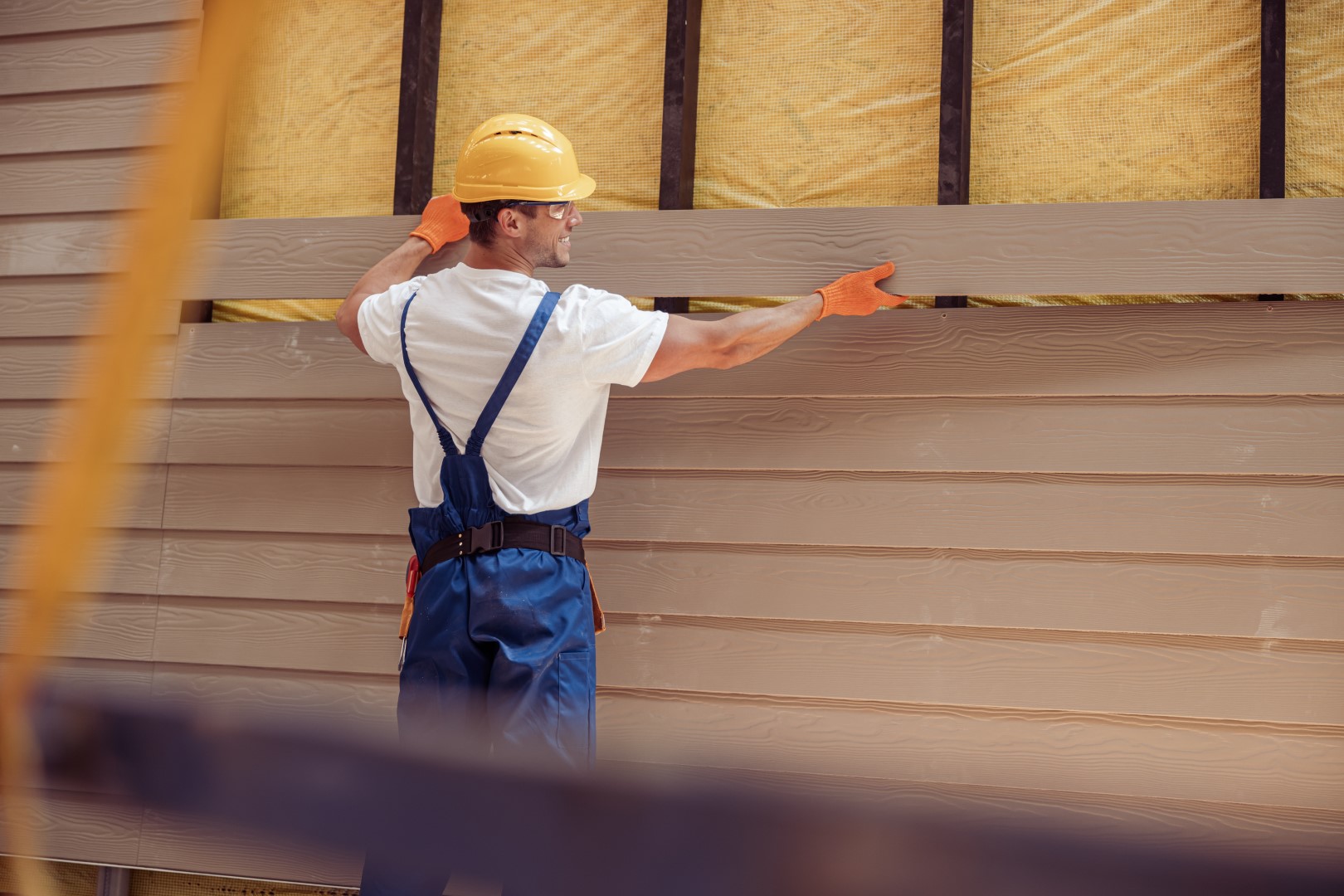
Quality siding installation starts with proper preparation. A contractor should inspect the existing exterior, identify damaged areas, prepare the surface, and install the new siding according to the manufacturer’s requirements.
Professional siding installation can help create a more consistent exterior while reducing problems caused by gaps, poor alignment, or improper fastening. It can also give an older home a refreshed appearance without requiring a complete structural renovation.
If you’re searching for siding installation near me, look for a contractor with experience working with the specific siding material you want to install.
Vinyl Siding Installation
Vinyl siding installation is a popular choice because vinyl is available in many colors, profiles, and textures. It is also relatively low-maintenance compared with some traditional exterior materials.
Modern vinyl siding can replicate the appearance of wood while eliminating some of the ongoing painting and staining associated with natural wood siding. Proper installation is still important because panels need room for normal expansion and contraction as temperatures change.
Benefits of Vinyl Siding
- Wide selection of colors and styles
- Low routine maintenance
- Resistant to common exterior moisture exposure
- Available in different profiles and textures
- Can provide a clean, updated appearance
- Suitable for many residential exterior styles
Fiber Cement Siding Installation
Fiber cement siding installation provides another option for homeowners looking for a durable exterior material. Fiber cement can be manufactured to resemble wood siding while offering resistance to many common exterior concerns.
Because fiber cement is heavier than vinyl, installation requires appropriate handling, cutting, fastening, and finishing techniques. Hiring experienced siding contractors can help ensure the material is installed correctly and finished properly around windows, doors, corners, and other exterior details.
Hardie Siding Installation
Hardie siding installation is another commonly requested option for homeowners interested in fiber cement siding products. The installation process requires careful attention to manufacturer specifications, including fastening, spacing, flashing, and joint treatment.
A qualified contractor can evaluate the home and explain which Hardie siding profile and finish may work for the exterior.
Other Siding Options for Your Home
Vinyl and fiber cement are not the only choices. Depending on the home’s design and your maintenance preferences, a contractor may also discuss several other materials.
Engineered Siding
Engineered siding is designed to provide the appearance of natural wood while offering specific performance and maintenance advantages. It comes in different profiles and finishes for both traditional and contemporary homes.
Wood Siding
Wood siding provides a natural appearance that works particularly well with certain architectural styles. However, it generally requires more ongoing maintenance, including painting, staining, and inspection for moisture-related problems.
Vertical Siding
Vertical siding can create a distinctive exterior appearance and may be used across an entire home or as an accent alongside horizontal siding. Combining siding profiles can add visual interest to entryways, gables, and other architectural features.
Siding Repair Can Extend the Life of Your Exterior
Not every siding problem requires complete replacement. Siding repair may be appropriate when damage is limited to certain sections.
Common problems include:
- Cracked or broken panels
- Loose siding
- Warped sections
- Faded or damaged surfaces
- Gaps between panels
- Damage around windows and doors
- Moisture-related deterioration
A contractor can inspect the affected areas and determine whether individual sections can be repaired or whether broader replacement makes more sense.
When Should You Replace Your Siding?
Replacement may be worth considering when the siding has widespread damage, persistent moisture problems, extensive fading, or repeated repair needs. The age and condition of the existing material also matter.
During an inspection, a professional can evaluate the siding, trim, flashing, and areas around openings to determine the appropriate solution.
How to Choose the Right Siding Contractor
When comparing siding contractors near me, don’t focus only on the lowest quoted price. Look at the contractor’s experience, material knowledge, installation process, warranty information, and previous projects.
A reliable siding contractor should be able to explain:
- Which siding materials are suitable for your home
- How the existing siding will be removed or prepared
- What repairs are needed before installation
- How windows, doors, corners, and joints will be finished
- What maintenance the new siding requires
- What warranties apply to materials and workmanship
Getting multiple estimates can also help you compare the scope of work rather than simply comparing prices.
Upgrade Your Home’s Exterior with the Right Siding
Whether you need a few damaged panels repaired or want a complete exterior transformation, the right siding can improve your home’s appearance and provide long-term exterior protection. Vinyl siding, fiber cement siding, engineered siding, wood siding, and vertical siding each offer different characteristics.
Start with a professional inspection and discuss your priorities with an experienced contractor. That makes it easier to select the right material, installation approach, and maintenance plan for your home.
Frequently Asked Questions
What does siding installation include?
Siding installation typically includes preparing the exterior, installing appropriate weather-resistant components, fitting siding panels, and finishing areas around windows, doors, corners, and other openings.
How long does siding installation take?
The timeline depends on the home’s size, siding material, weather conditions, existing siding, and the amount of preparation required. A contractor can provide a more accurate schedule after inspecting the property.
Is vinyl siding a good option for a home?
Vinyl siding is popular because it offers many style and color options while generally requiring relatively little routine maintenance. The best material depends on the home’s design, climate, and homeowner preferences.
What is the difference between fiber cement and vinyl siding?
Fiber cement is a heavier material that can closely replicate the appearance of painted wood and requires more involved installation. Vinyl is lightweight, available in many styles, and generally easier to maintain.
Can damaged siding be repaired instead of replaced?
Yes. If the damage is limited to certain sections, siding repair may be possible. Extensive damage, widespread deterioration, or recurring problems may make replacement a more practical option.
How do I find reliable siding contractors near me?
Look for local siding contractors with relevant installation experience, clear estimates, material knowledge, documented warranties, and examples of completed siding projects. Comparing several contractors can help you understand the differences in scope and pricing.